


FREQUENTLY ASKED QUESTIONS
Certified seed is tested to guarantee its varietal identity, specific purity, germination rate and health quality. Once all the conditions have been met, the seeds can be marketed. The body which validates the conformity of hemp seeds in France is the SOC (official control and certification service).
Unlike hemp grains, which can be consumed or processed, certified seeds can only be used for sowing. They are defined by technical regulations and provide all the guarantees required to ensure the safety of users’ harvests.
Checks are carried out at all stages of the seed production process, from the field to dispatch. Any non-conformity will result in the batch being rejected. You must declare your production to SEMAE to produce seeds.
Several criteria must be fulfilled for a batch to be certified: verification of the initial seed batch, the history of the production plot, production conditions, compliance with technical regulations, batch traceability and batch inspection.
Grains: 200 to 300 plants/m² (40 to 50 kg/ha depending on the TKW)
Textile fibres: 500 to 600 plants/m² (70 to 90 kg/ha depending on the TKW)
Short fibres (hemp shiv): 200 to 300 plants/m² (40 to 50 kg/ha depending on the average fruit weight)
In France, farm-saved seed (R3 or third generation) is not permitted. In the event of an inspection, you must be able to provide:
- The seed invoice issued by your supplier
- The red certificate on the bags
CONTACT US
Our teams are available to answer your questions and provide support for your hemp projects.
OUR SALES TEAM IS READY TO HELP
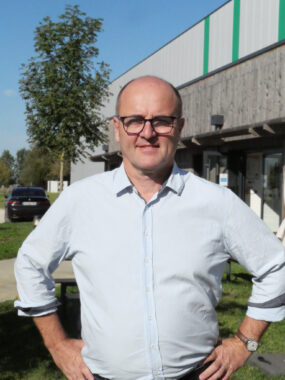
Jean-Eric PONTHOU

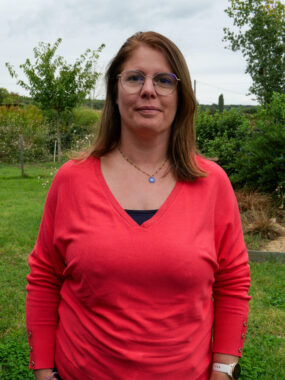
Nathalie DAVAINE
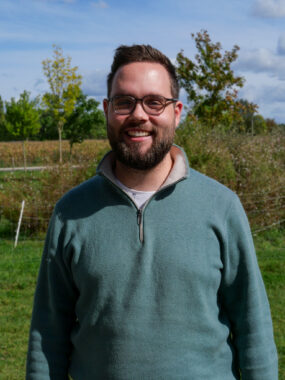
Axel DELANNEAU
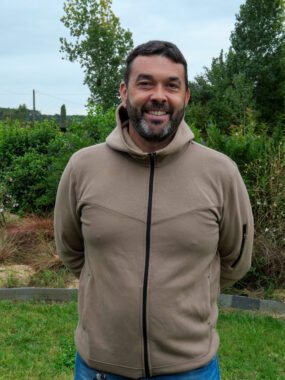
Nicolas AUBIN

Sébastien DOISNEAU
Bruno HURSTEL
